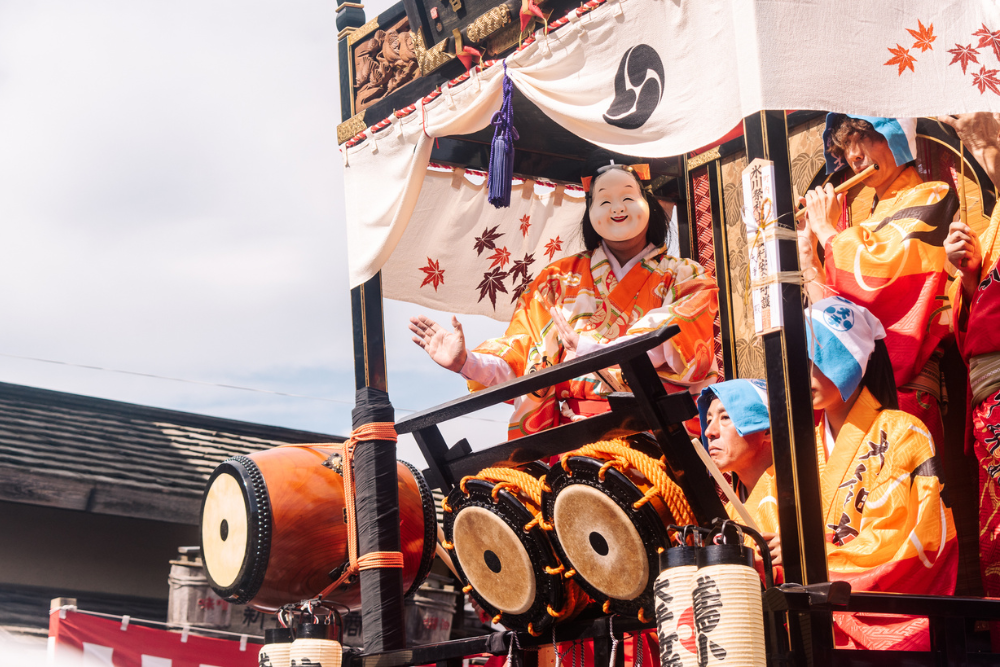
Japan is often associated with high-tech innovation, anime, and sushi — but beneath the surface lies a world of rich traditions, unspoken rules, and centuries-old customs that shape everyday life.
Whether you’re planning a trip or just intrigued by this fascinating culture, here are 10 lesser-known things about Japanese culture and traditions that might just surprise you.
1. Bowing Isn’t One-Size-Fits-All
Bowing isn’t just a polite gesture — it’s an art form in itself. The angle, duration, and context all matter.
- A slight bow = casual greeting
- A deeper bow = respect or apology
- The deepest bows are reserved for formal events or deep apologies
Pro Tip: When in doubt, a gentle 15-degree bow is safe for tourists.
2. Tea Ceremony Is a Spiritual Ritual, Not Just a Drink
The Japanese tea ceremony (茶道 Sadō) is a highly choreographed cultural practice that emphasizes harmony, respect, purity, and tranquility. Every movement — from folding a cloth to sipping tea — is intentional.
It’s less about tea, more about mindfulness and presence.
3. Cleanliness Is a Cultural Priority
From spotless streets (despite minimal public trash bins) to meticulous bathing rituals, cleanliness is deeply embedded in Japanese culture.
Even school children clean their classrooms — a practice that instills responsibility and community spirit.
You’ll often be asked to remove your shoes before entering homes, temples, or even certain restaurants.
4. Religion Is Flexible and Blended
Many Japanese practice a mix of Shinto and Buddhism — often simultaneously.
- Shinto shrines for blessings, festivals, and weddings
- Buddhist temples for funerals and ancestral rituals
It’s common for people to pray at both, depending on life events.
5. Gifting Is a Delicate Social Art
Gift-giving is taken seriously in Japan, with rules on wrapping, presentation, and timing.
Even the way you hand over a gift (with both hands) matters.
Pro Tip: Never give items in sets of four — the number 4 (shi) sounds like “death” in Japanese.
6. Seasonal Changes Are Deeply Celebrated
Japanese culture is incredibly in tune with the seasons — from cherry blossom viewing (hanami) in spring to moon-viewing festivals (tsukimi) in autumn.
Even menus, clothing, and home décor change with the seasons.
7. Bento Boxes Reflect Care and Aesthetics
Bento (lunch) boxes are not just meals — they are expressions of love, balance, and creativity.
A well-made bento often includes a variety of colors, textures, and nutrition, reflecting the principle of washoku — traditional Japanese food harmony.
Parents often go the extra mile to make them cute for children, known as “kyaraben.”
8. Silence on Public Transport Is Golden
Talking loudly on trains or buses is considered rude. Phones are set to silent mode, and most passengers prefer to read, sleep, or simply enjoy the quiet.
Tip: If you do need to talk, keep it low and brief — or wait until you’re off the train.
9. New Year Is More Important Than Christmas
While Japan celebrates Christmas in a fun, commercial way, New Year (Oshōgatsu) is the most important holiday.
Families gather, visit shrines, clean homes, and eat traditional dishes like osechi ryori.
It’s a time for renewal, reflection, and respectful beginnings.
10. Kimono Isn’t Just for Tourists
Though rare in daily life today, kimono are still worn during weddings, tea ceremonies, festivals, and graduations.
There are different types of kimono for men, women, and even for specific occasions.
The way a kimono is tied (left over right) also has meaning — the reverse is only used for funerals.
Final Thoughts: The Beauty Lies in the Details
Japanese culture is a graceful blend of ritual, respect, subtlety, and symbolism. Every bow, meal, and tradition holds deeper meaning — a quiet elegance that often goes unnoticed by outsiders.
The more you learn, the more you realize how much there is to appreciate.
Ready to explore Japan beyond the guidebooks? Let these cultural insights enrich your journey.